

Sticking Doors
What Sticking Doors May Be Telling You About Your Home
Have you noticed doors sticking in your home? While seasonal humidity or normal wear can sometimes cause a door to rub against its frame, sticking doors may also be one of the earliest warning signs of foundation settlement. If your doors suddenly become difficult to open, close, or latch properly, it may be time to investigate the underlying cause.
Many homeowners ask, "Why are my doors sticking?" The answer is not always as simple as a loose hinge or swollen wood. As a foundation shifts, settles, or moves unevenly, door frames can become misaligned. Even minor structural movement can cause doors to stick, drag, rub against the frame, or fail to close correctly.

At Atlas Piers, we help homeowners identify whether sticking doors are a simple repair issue or a symptom of a larger foundation problem that requires professional attention.
Sticking doors are often accompanied by other warning signs, including:
- Sticking windows
- Floor or slab cracks
- Leaning or bowing walls
- Beam and post problems
- Gaps around doors, windows, or trim
- Ceiling cracks
- Garage column cracks
- Cracks radiating from doors or window sills
- Sloped or uneven floors
Why Are My Doors Sticking?
Many homeowners assume a sticking door is simply an inconvenience. In some cases, that is true. However, when doors suddenly begin sticking, rubbing, or refusing to latch properly, there may be a larger issue affecting your home's structure.
Several factors can cause sticking doors, ranging from normal seasonal changes to foundation settlement. Understanding the difference can help you determine whether a simple adjustment will solve the problem or if your home needs a professional foundation inspection.
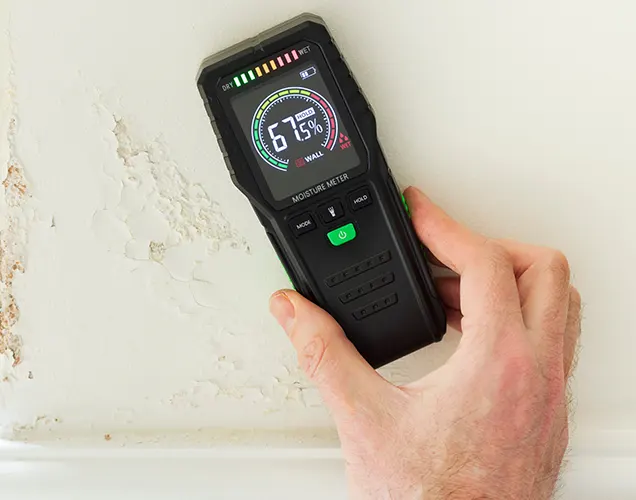
Humidity and Moisture Changes
Wood naturally expands and contracts as humidity levels change throughout the year. During periods of high humidity, wooden doors and door frames can absorb moisture and swell slightly. This expansion may cause the door to rub against the frame or become difficult to open and close.
While humidity-related sticking is often temporary, recurring problems that persist through different seasons may indicate something more serious than normal moisture fluctuations.
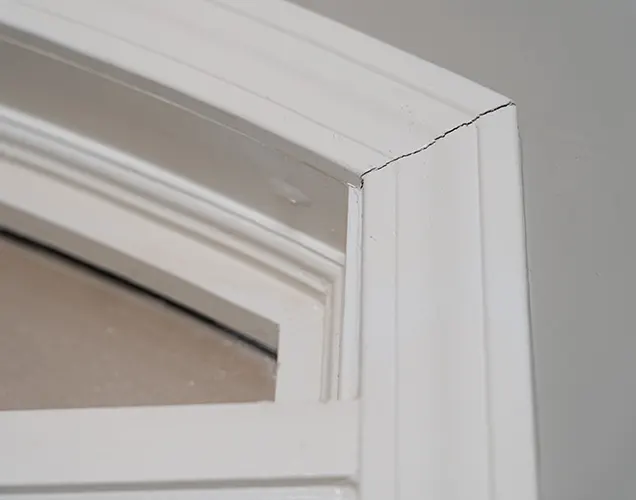
Normal House Settling
Every home experiences some settling over time. As the structure adjusts to the soil beneath it, minor movement can occur without causing significant damage.
Small changes in door alignment can sometimes result from this natural process. However, normal settling typically slows after the first few years of a home's life. If doors that once operated normally suddenly begin sticking years later, foundation movement may be the cause.
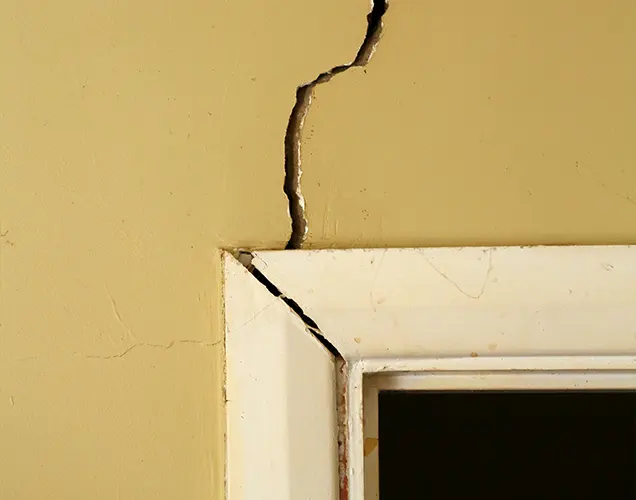
Foundation Settlement & Structural Movement
One of the most common structural causes of sticking doors is foundation settlement. When soil beneath part of a home shifts, compresses, or loses support, the foundation may settle unevenly. This movement can transfer stress throughout the structure, causing door frames to become distorted or out of square.
As the frame shifts, doors may:
- Rub against the top or side of the frame
- Become difficult to latch
- Swing open or closed on their own
- Leave uneven gaps around the edges
- Stick during opening or closing
If you're wondering why your doors are sticking and you've also noticed wall cracks, sloping floors, or sticking windows, foundation settlement should be investigated as a potential cause.
How to Fix Sticking Doors?
Before assuming a foundation problem is causing your sticking door, it's worth checking for a few common door-related issues. In many cases, minor adjustments can restore proper operation and help you determine whether the problem is isolated to the door itself or related to structural movement within the home.
Check for Loose Hinges
Open the door halfway and gently lift upward on the handle. If you notice movement in the hinges, loose screws may be allowing the door to sag. Tightening existing screws or replacing them with longer screws can often improve door alignment and reduce sticking.
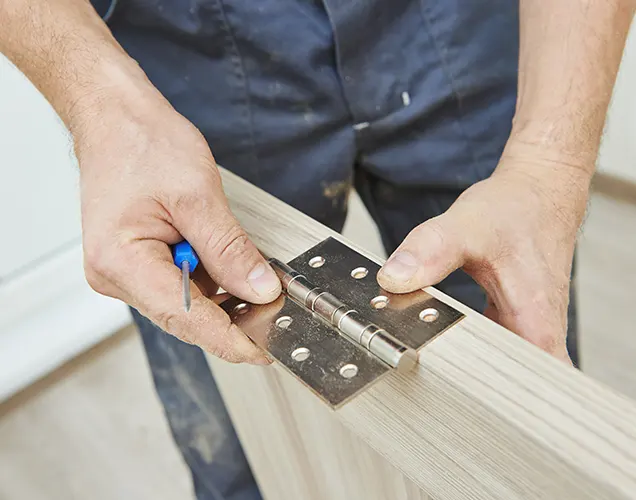
Repair Stripped Screw Holes
If a screw continues turning without tightening, the hole may be stripped. Remove the screw and fill the hole with a wood filler or wood splinter coated in wood glue. Allow it to dry completely before reinstalling the screw. This simple repair can help restore a secure hinge connection.
Inspect Worn Hinges
Over time, door hinges can wear down or bend under the weight of the door. The upper hinge typically experiences the greatest stress and may contribute to misalignment. Replacing worn hinges or swapping hinge positions may help improve door performance.
Add Hinge Shims
In some situations, adding shims behind the hinge leaves can help correct minor alignment issues. Shims can reposition the door within the frame and reduce rubbing along the latch side or top edge of the opening.
When DIY Repairs Don't Solve the Problem
If you've completed these repairs and your door continues sticking, rubbing, or falling out of alignment, the issue may extend beyond the door itself. Persistent problems, especially when accompanied by wall cracks, sticking windows, sloped floors, or gaps around doors and windows, may indicate foundation settlement or structural movement that requires professional evaluation.
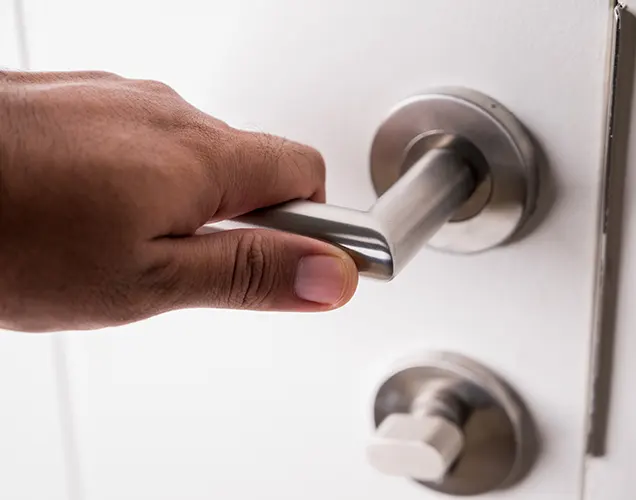
When Is a Sticking Door a Foundation Problem?
Not every sticking door is caused by foundation damage. However, when doors continue sticking after basic repairs or begin showing symptoms alongside other structural issues, foundation settlement may be the underlying cause.
Because doors are installed within framed openings, even small amounts of structural movement can affect how they operate. As a foundation settles unevenly, pressure can transfer through walls, floors, and door frames, causing doors to become misaligned.
Here are several signs that a sticking door may be related to foundation movement rather than normal wear and tear.
The Door Suddenly Started Sticking
A door that has operated properly for years but suddenly becomes difficult to open or close may indicate recent structural movement. Foundation settlement often occurs gradually, but homeowners frequently notice the effects first through changes in door and window operation.
Multiple Doors Are Sticking
If only one door is sticking, the problem may be isolated to that particular door or frame. If several interior or exterior doors throughout the home begin sticking around the same time, it could indicate movement affecting a larger portion of the structure.
The Door Will Not Latch Properly
As foundations shift, door frames can move out of square. Even a small amount of movement can prevent the latch from aligning correctly with the strike plate. Homeowners may notice that they need to push, pull, or lift the door to get it to close completely.
Doors Swing Open or Closed on Their Own
Doors should generally remain where they are positioned. If a door swings open or closes by itself, it may indicate that the frame is no longer level. While this can sometimes result from installation issues, it can also be caused by foundation settlement affecting the surrounding structure.
When is Foundation Repair A Solution?
If your sticking door persists after basic repairs, foundation settlement may be the underlying cause. When a foundation shifts or settles unevenly, door frames can become misaligned, causing doors to stick, rub, or fail to latch properly.
At Atlas Piers, we help homeowners determine whether sticking doors are simply a door issue or a sign of a larger structural problem. Our team performs thorough foundation inspections and looks for related warning signs such as wall cracks, sloping floors, sticking windows, and gaps around doors and windows.
If foundation movement is identified, we can recommend proven repair solutions designed to stabilize your home and help prevent further structural damage.
Why Homeowners Choose Atlas Piers
We focus exclusively on structural foundation repair
Our team is locally based and highly trained
We provide honest evaluations with no scare tactics
We offer lifetime warranties on pier systems
We use engineered, proven methods designed for long-term stability
Don't Let Foundation Problems Get Worse
Sticking doors can be one of the first signs of foundation settlement. The sooner foundation issues are identified, the easier they are to address before additional structural damage occurs.
Schedule your foundation assessment with Atlas Piers today and get the answers you need to protect your home.
Frequently Asked Questions About Sticking Doors
Why are my doors sticking all of a sudden?
Suddenly sticking doors can result from humidity changes, normal house settling, or foundation movement. If the problem appears alongside cracks, sloping floors, or sticking windows, foundation settlement may be the cause.
Can foundation problems cause doors to stick?
Yes. When a foundation settles unevenly, door frames can shift out of alignment, causing doors to rub against the frame, stick, or fail to latch properly.
How do I know if a sticking door is a foundation issue?
Look for additional warning signs such as wall cracks, sticking windows, uneven floors, or gaps around doors and windows. Multiple symptoms occurring together often indicate structural movement.
Will foundation repair fix sticking doors?
If foundation settlement is causing the problem, repairing and stabilizing the foundation can often restore proper door operation. In some cases, minor door adjustments may still be needed after repairs are completed.
Can humidity cause doors to stick?
Yes. Wooden doors can absorb moisture and expand during humid weather. However, recurring sticking problems that persist throughout the year may indicate a structural issue rather than seasonal expansion.
Should I worry if more than one door is sticking?
Multiple sticking doors throughout a home can be a sign of foundation movement affecting a larger area of the structure. A professional inspection can help determine the cause.
Our Latest Blogs
- January 05, 2026
- Residential
How to Determine if a Foundation Crack in Your Home Is Serious
Most cracks in slabs are small expansion cracks that should not pose a problem. If...
Read More- June 18, 2025
- Residential
Helical Piers 101: A comprehensive Guide to Screw Pile Foundations
When foundation problems arise or construction occurs on unstable soil, property owners and engineers turn...
Read More- May 09, 2025
- Residential
How Resistance Piers Stabilize Settling Foundations
Foundation settlement is a serious problem for commercial buildings and large residential properties. Uneven floors,...
Read MoreWork with the Local Experts Your Neighbors Trust.
Proud
Members


